
Michigan's burgeoning cannabis sector braces for a major disruption as a new 24% wholesale excise tax kicks in on January 1, 2026. Layered atop the existing 10% retail tax and 6% sales tax, this pushes the total burden to 40%, spurring consumers to stockpile products now while generating over $400 million annually for roads, bridges, and infrastructure—yet risking industry contraction and consumer safety.
Businesses Scale Back Amid Mounting Pressures
The tax arrives amid market saturation, forcing tough choices on operators. Eric Slutzky, CEO of Dog House Farms, revealed his wholesale grow operation has trimmed expenses rigorously, including layoffs, to stay viable. Several Michigan cannabis firms have shuttered or cut staff, highlighting vulnerabilities in a post-legalization landscape where oversupply already squeezes margins.
- Total tax rate climbs to 40% on wholesale transactions.
- Projected revenue: $400+ million yearly for infrastructure.
- Precedents in other states show high taxes can halve licensed sales volumes.
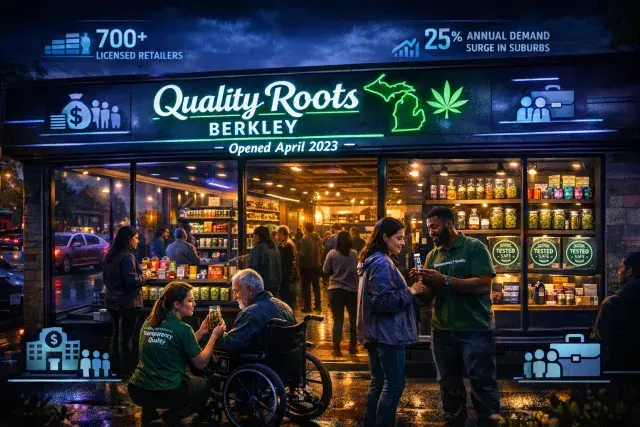
Aric Klar of Quality Roots counters by bulking inventory for two to three months, aiming to hold prices steady—a short-term buffer against inevitable hikes.
Consumers Rush to Stockpile Before Deadline
Cannabis users in areas like Berkley are snapping up flower, edibles, and vapes at current rates. "It's really unfortunate," said Sam, echoing a rush driven by sticker shock. Kristin Hinchman called it a smart consumer move, while Brenden Bowers acknowledged infrastructure needs but questioned alternative revenue sources.
This stockpiling frenzy underscores a cultural shift: legalized cannabis as everyday lifestyle choice, now tempered by fiscal realities. Yet it signals deeper risks—expired products could lead to waste, and desperation might revive unsafe black-market alternatives lacking quality controls.
Legal Fights and Long-Term Societal Ripples
Industry groups are suing to block the tax as the deadline looms, arguing it stifles a vital economic engine. Beyond economics, implications span public health and safety: Elevated prices may deter novice users, curbing overconsumption trends seen post-legalization, but could exacerbate inequities if low-income communities turn to unregulated sources laced with contaminants.
Comparatively, states like California with 30%+ effective rates have seen illicit sales persist at 60-80% of the market, undermining tax goals and regulation benefits. Michigan policymakers must weigh infrastructure gains against potential erosion of a $3 billion industry, where balanced taxation sustains safe access and innovation in wellness products.