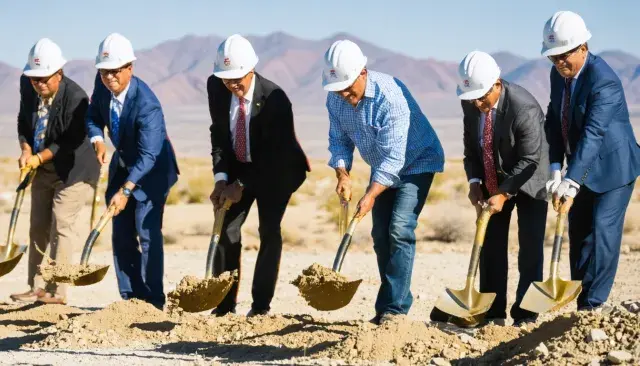
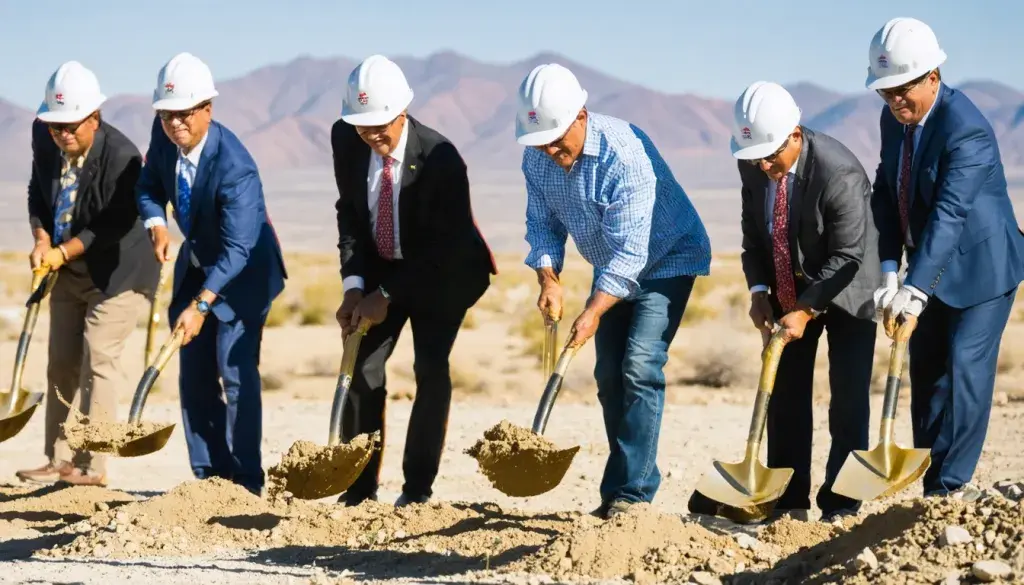
On Friday, the Fallon Paiute Shoshone Tribe (FPST) held a groundbreaking ceremony for a new marijuana dispensary on the southwest corner of Bottom Road and the Reno Highway, west of Fallon, Nevada. This move signals a strategic step toward economic self-sufficiency, promising jobs and revenue for tribal services amid Nevada's thriving cannabis market.
Project Timeline and Design
Cody Downs, president of the Fallon Tribal Development Corporation board, announced that the modular facility—dubbed Desert Embers—should be operational within several months, targeting about two months for completion. The temporary prefab structure will sit at the back of the property, paving the way for a permanent building later.
- Modular building serves as interim solution until full construction.
- Attended by tribal council members and Fallon Mayor Ken Tedford.
- Focus on quick setup to generate early revenue.
Tribal Motivations and Evolving Stance
Initially hesitant, the FPST shifted toward embracing dispensaries after observing success in nearby towns, where regulated operations have boosted economies without spiking crime. Downs emphasized taxes, job creation for tribal members, and funding for essential services as key drivers. "It's a cornerstone of opportunity, tribally owned and led," he stated, highlighting sovereignty's role in emerging industries while honoring traditions.
This reflects a broader trend among Nevada's federally recognized tribes, who leverage sovereign status to negotiate state compacts for cannabis ventures. With Nevada's medical marijuana market generating over $1 billion annually in sales, tribal participation taps into a regulated industry that attracts diverse clientele and supports community health initiatives through reinvested profits.
Regulatory Compliance and Future Impact
The FPST commits to full adherence to Nevada's oversight, ensuring safety and quality in the medical marijuana sector. As sovereign nations, tribes like the FPST can operate dispensaries under state-negotiated frameworks, sidestepping federal prohibitions while contributing to local economies.
Implications extend beyond Fallon: this project could inspire other tribes, fostering economic diversification. Studies show Native-led cannabis businesses create stable jobs—often 20-30% higher retention rates than non-tribal ventures—and fund cultural preservation. For public health, regulated access promotes safer consumption patterns, reducing black-market risks and aligning with Nevada's decadelong cannabis normalization.
Desert Embers stands as a declaration of tribal innovation, blending economic growth with cultural empowerment in Nevada's evolving landscape.